


Blog
Can Pets Use Red Light Therapy? What are the benefits and is it safe?
Feb
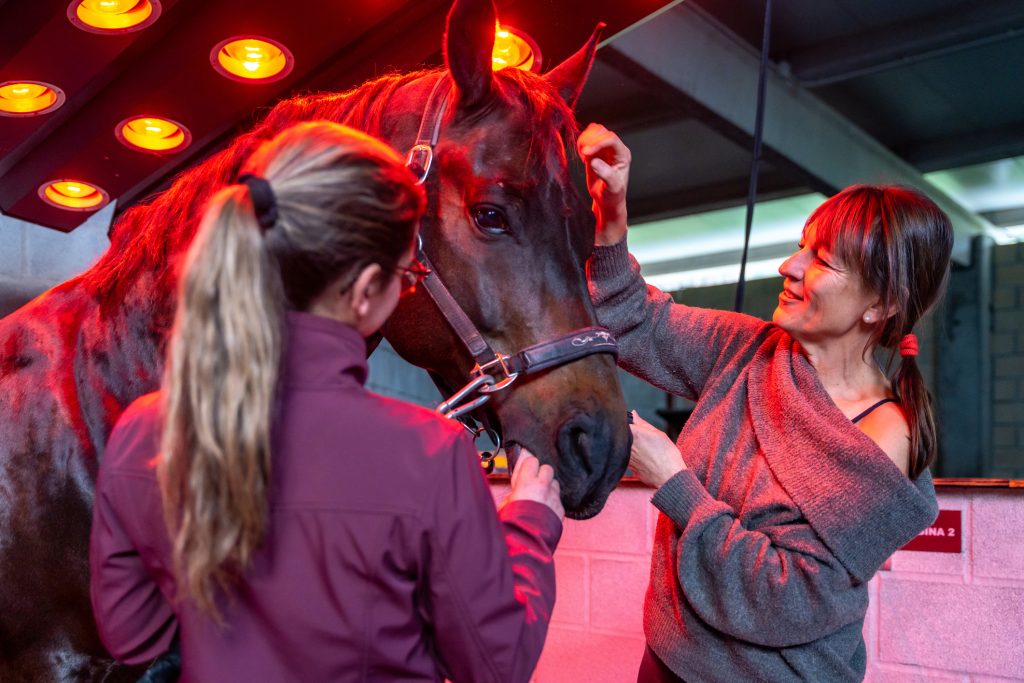
Red light therapy for pets is becoming increasingly popular among pet owners and veterinarians. If you’re looking for a gentle, non-invasive way to support your dog or cat’s comfort, mobility, or recovery, you may be asking:
Can pets use red light therapy—and is it safe?
The answer is yes. When used correctly, red light therapy is considered a safe and effective supportive therapy for pets.
What Is Red Light Therapy for Pets?
Red light therapy, also known as photobiomodulation therapy, uses specific wavelengths of red and near-infrared light (commonly 630–660 nm and 810–880 nm) to support cellular health.
For pets, red light therapy works by:
-
Increasing cellular energy (ATP production)
-
Improving blood circulation
-
Reducing inflammation
-
Supporting the body’s natural healing processes
It is drug-free, painless, and non-invasive, making it suitable for many dogs and cats—especially those sensitive to medications.
What are the key benefits of red light therapy for pets?
Pet owners commonly use red light therapy to help support:
-
Joint pain and stiffness
-
Arthritis in senior dogs and cats
-
Hip dysplasia and mobility issues
-
Muscle soreness or minor injuries
-
Post-surgery recovery
-
Wound healing and chronic inflammation
With consistent use, many pets show improved movement, reduced stiffness, and better overall comfort.
What are the safety tips?
To ensure safe use:
-
Avoid shining light directly into your pet’s eyes
-
Follow recommended treatment times
-
Use devices designed specifically for therapeutic use
-
Consult a veterinarian if your pet is pregnant, has cancer, or has serious medical conditions
Final Thoughts: Should You Use Red Light Therapy for Your Pet?
If you’re searching for a gentle, science-backed way to support your pet’s health, red light therapy for pets can be a valuable option.
When used correctly, it may help improve comfort, mobility, and overall quality of life—especially for senior pets or those recovering from injury.
Start slowly, observe your pet’s response, and consult your veterinarian when needed. Your pet’s comfort always comes first 🐾